Introduction
For thousands of years, humans have relied on natural light not only as a source of vision but as a vital element of psychological and physical balance. In the era of reconstruction, integrating natural light into architectural design becomes essential for enhancing quality of life within homes and public spaces.
The Impact of Natural Light on Health and Well-being
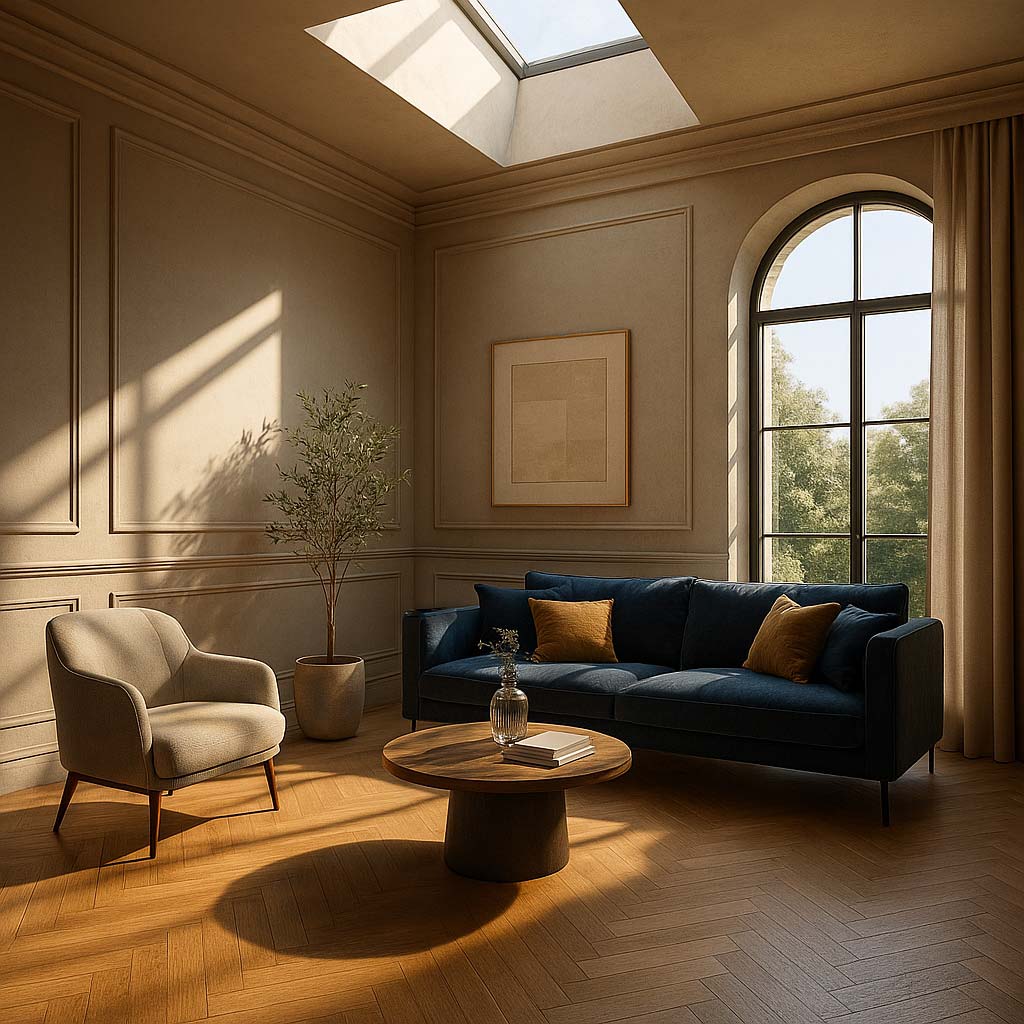
Research shows that sufficient exposure to sunlight improves mood, and reduces stress levels. Homes designed with wide windows and carefully oriented facades allow daylight to flow in, creating healthier and more vibrant living environments.
Architectural Strategies to Maximize Daylight
- Large windows: Particularly on south- and east-facing facades.
- Courtyards: Bringing light into the heart of the building.
- Reflective materials: Light-colored surfaces and finishes to diffuse daylight.
- Skylights: A practical solution to illuminate deeper spaces.
Natural Light in the Context of Reconstruction
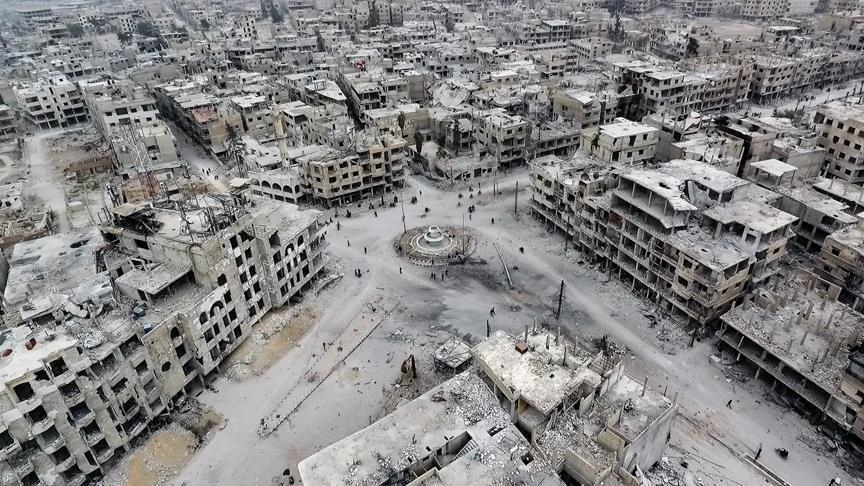
Within Syria’s reconstruction, natural light plays a dual role: reducing electricity consumption while enhancing environmental comfort. It is both an economical and health-conscious design choice.
Architecture and Life: An Inseparable Bond
Natural light is not just a design feature it is a bridge between humans and their surroundings. Allowing daylight to permeate architectural spaces means allowing life itself to enter, making it a cornerstone of collective healing.
Emran AlSham: Designing Homes Filled with Light
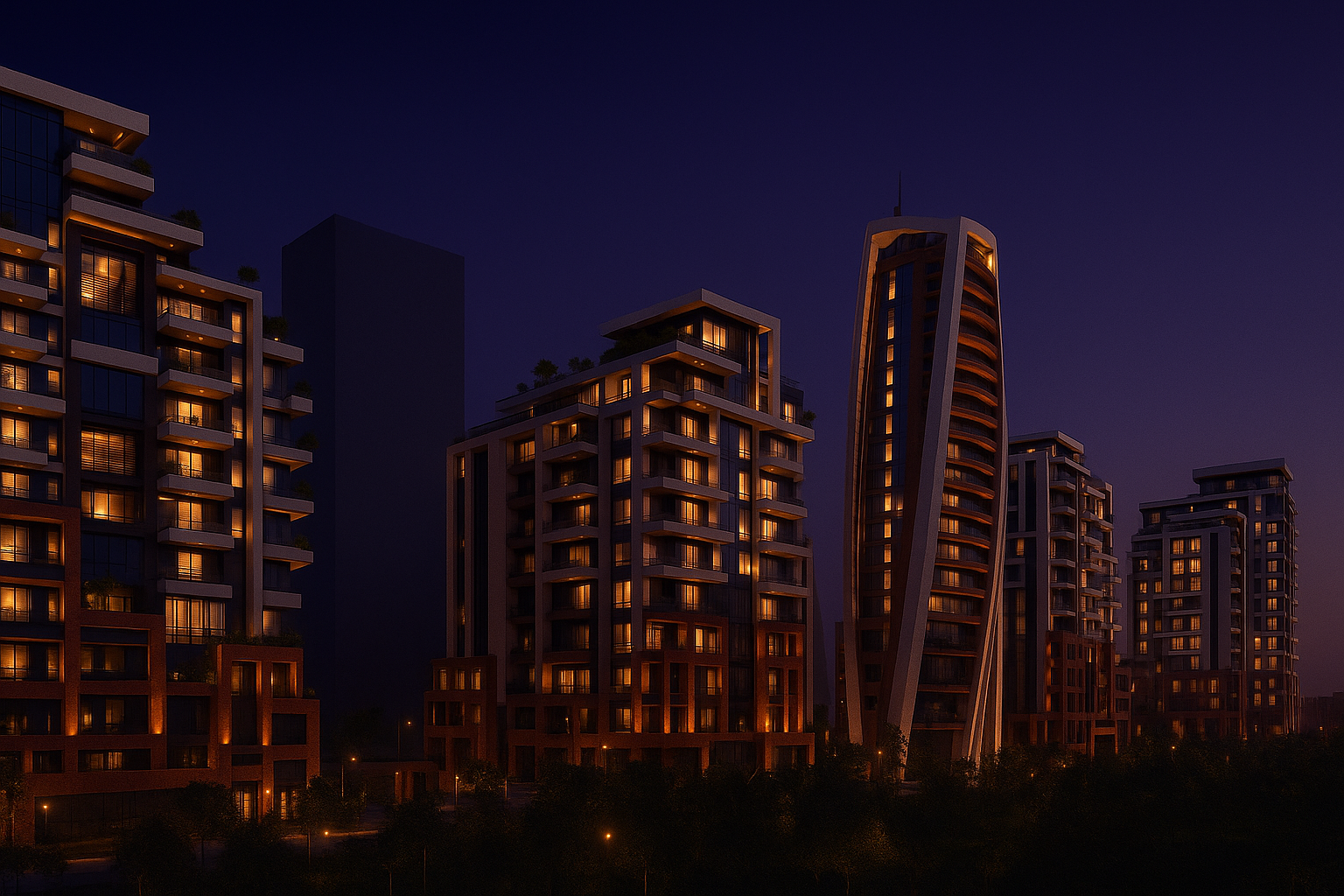
With its expertise in design and execution, Emran AlSham places natural light at the core of its projects, creating healthy, sustainable spaces that embody high living standards.
Conclusion
When natural light enters our homes, it does more than illuminate rooms it illuminates our spirits. This is the essence of true architecture: transforming natural elements into tools of healing and balance