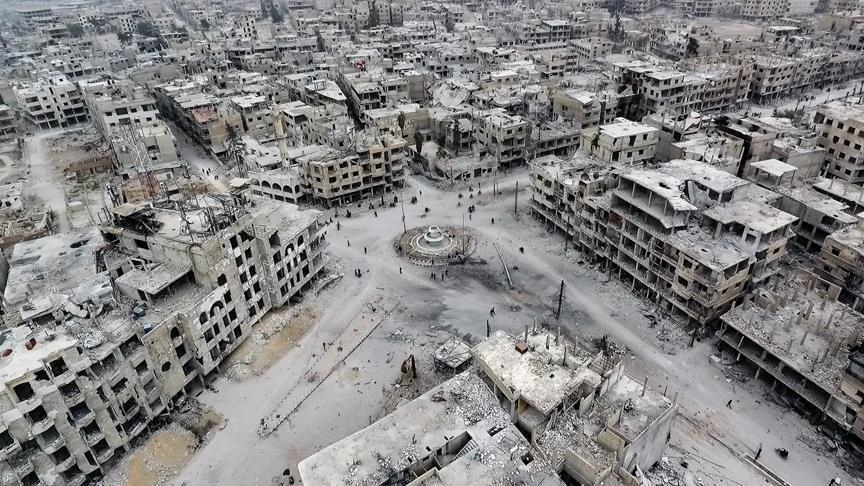

After years of conflict, Syria’s real estate development sector is undergoing major transformations and is now viewed as one of the key drivers of reconstruction and economic revival. This sector goes beyond simply building new housing units; it also includes rehabilitating infrastructure, redeveloping urban areas, and launching large-scale investment projects.
Importance of Real Estate Development at This Stage
- Reconstruction: Acts as the cornerstone for rebuilding damaged areas and transforming them into modern urban communities.
- Economic Stimulation: Creates significant job opportunities and encourages local and foreign investment.
- Improved Quality of Life: New projects focus on advanced infrastructure and modern services.
- Attracting Capital: Considered one of the most attractive sectors for long-term investors.
Challenges Facing Real Estate Development in Syria
- Financing and Resources: Limited liquidity and difficulties accessing external funding.
- Infrastructure: The need to rebuild roads, water, and electricity networks.
- Property Rights and Compensation: Settling land and housing ownership issues for damaged or destroyed properties.
- Legal Environment: A clear, investor-friendly legislative framework is needed to protect rights and stimulate growth.
Future Outlook
The sector is expected to grow steadily in the coming years as security and political conditions improve. Large-scale urban projects such as Marota City and Basilia City are opening the door for local and international real estate developers to deliver innovative, modern, and sustainable solutions.
Conclusion
Real estate development in Syria is not just about construction; it is a comprehensive process of reshaping cities and communities. Its success will depend on public–private partnerships and creating a favorable legal and financial environment to attract investment and ensure sustainable growth.