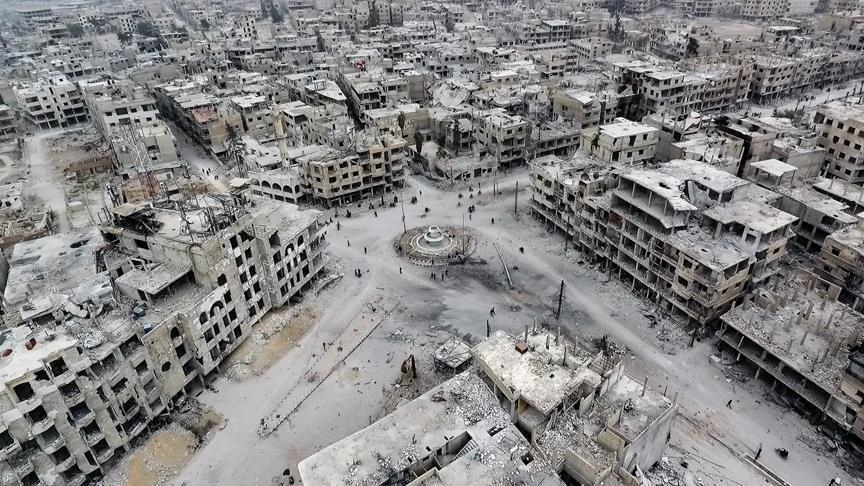
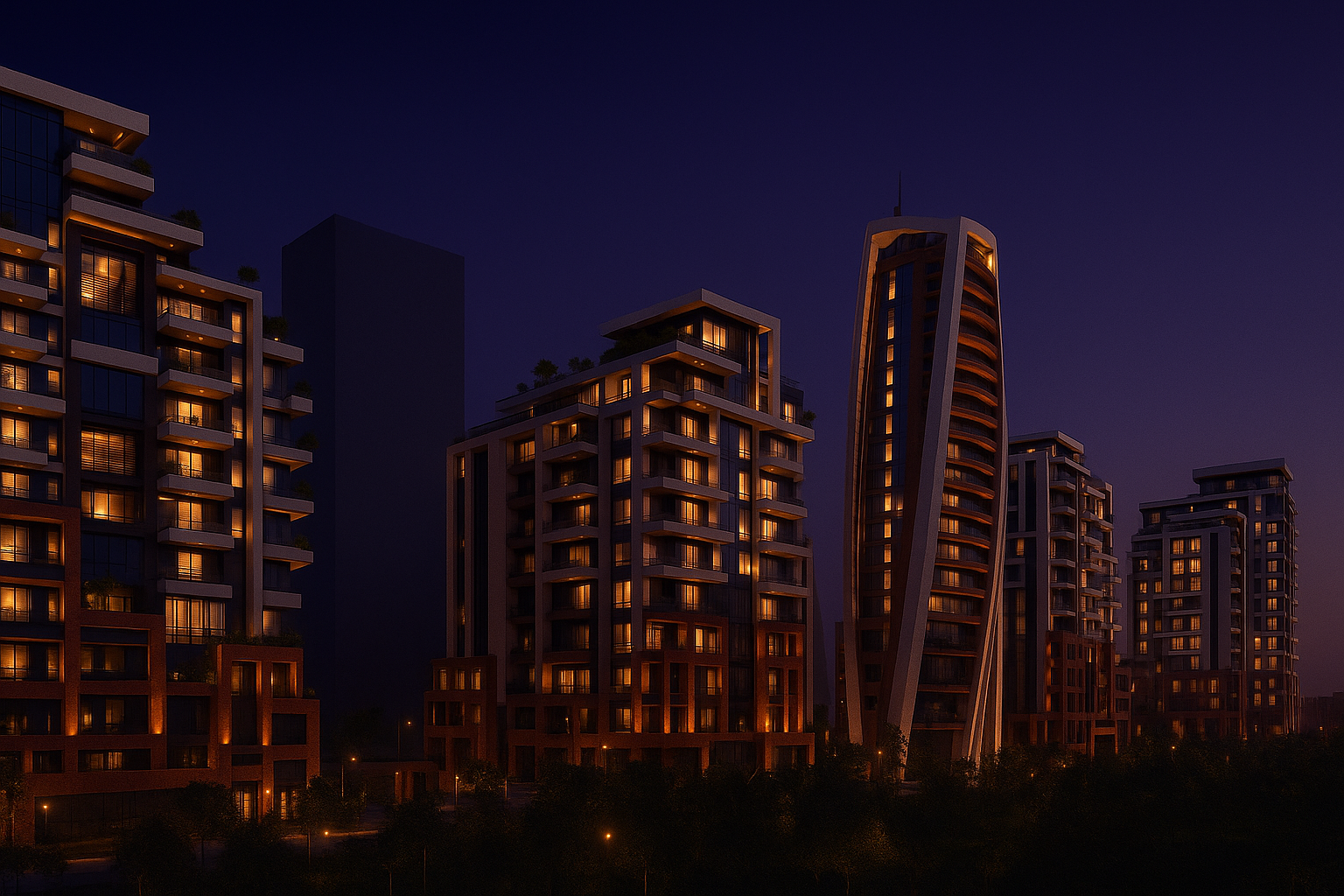
As Syria strives to rebuild after years of conflict, Marota City emerges as an ambitious urban development project aimed at reshaping the face of Damascus.
What is Marota City?
Marota City is a large-scale, mixed-use urban development in Damascus designed to transform the Basateen area in Mezzeh into a modern, integrated district. The project covers a vast area and includes thousands of residential units along with service, educational, health, and commercial facilities such as parks, shopping centers, administrative buildings, schools, hospitals, fire stations, and places of worship.
Strategic Location and Vision
The project is located on key road axes linking Damascus to Lebanon, Jordan, and the airport, close to government and service centers. Its name “Marota” reflects the ambition to create a project that reasserts urban leadership and offers a modern vision for the capital.
Opportunities and Challenges
Opportunities
- Creating thousands of jobs during both construction and operation phases.
- Providing a model for post-conflict reconstruction by combining residential, commercial, and service facilities with modern infrastructure.
- Attracting investments and stimulating the real estate sector in Damascus and surrounding areas.
Challenges
- Resolving property rights and compensating original residents.
- Slow implementation and delays in providing alternative housing for displaced families.
- Economic conditions and funding challenges affecting construction timelines.
- Ensuring social justice and fair benefits for the original community.
Why It’s Seen as Syria’s Urban Future
- Represents a modern master-planned district different from traditional recovery projects.
- Combines residential, commercial, and service functions, upgrading infrastructure and quality of life.
- Symbolizes Syria’s ability to overcome conflict and launch large-scale development initiatives.
Conclusion
Marota City is more than a real estate project; it’s a visionary step toward modernizing Damascus and building a new urban future for Syria. Its success will depend on quality, transparency, and protecting residents’ rights to achieve a truly integrated and sustainable urban model.