Introduction
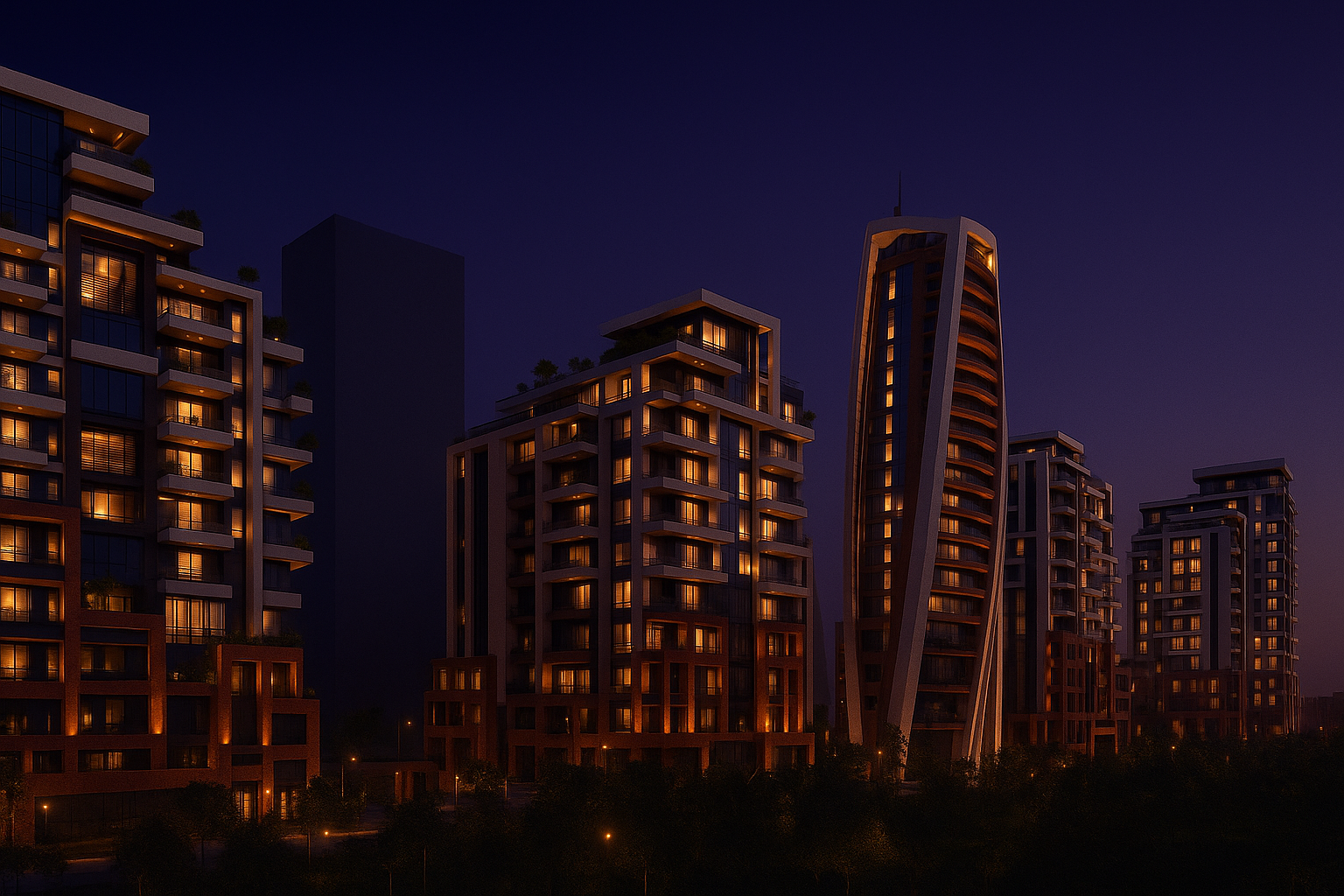
With today’s global environmental and economic challenges, green architecture is no longer a secondary choice but a strategic approach to every successful reconstruction process.
In the new Syria, investing in sustainable buildings represents an opportunity to reduce costs, improve quality of life, and protect the environment for future generations.
What Is Green Architecture?
Green architecture means designing and constructing buildings that prioritize:
- Energy efficiency through thermal insulation and solar power.
- Water management with recycling systems and smart irrigation.
- Natural or recycled materials to minimize environmental impact.
- Natural ventilation and daylight to promote health and reduce energy dependence.
Engineering Expertise in Service of Sustainability
Within this vision, Engineer Mazen Al Absah and Engineer Nader Maksousa shared their expertise and perspectives on the importance of green architecture in Syria’s reconstruction.
They emphasized that integrating smart and sustainable solutions from the earliest design stages is not only a practical way to reduce costs but also a crucial step toward creating healthy environments that reflect a forward-looking vision for a Syria more in harmony with nature.
Benefits of Green Architecture in Syria
- Lower long-term operational costs.
- Healthier environments that improve public well-being.
- Higher property value in both local and international markets.
- Protection of natural resources aligned with global sustainability standards.
How Emran AlSham Applies Green Principles
- Design integration: Using thermal insulation and sustainable materials from the earliest project stages.
- Solar energy adoption: Installing photovoltaic systems across construction projects.
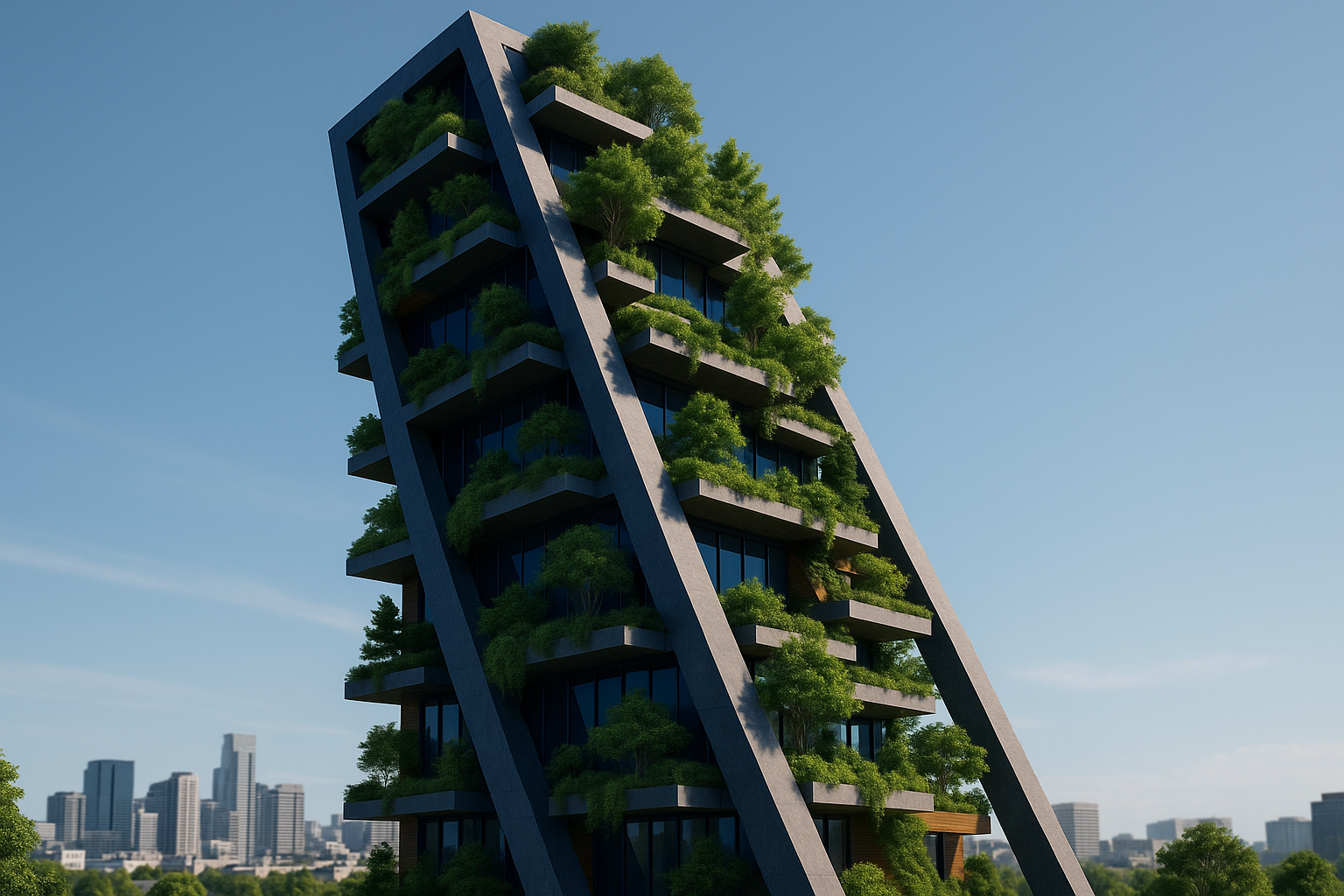
- Green spaces: Creating gardens and green roofs to enhance ecological balance.
- Local innovation: Utilizing locally sourced Syrian materials that are cost-effective and environmentally friendly.
Green Architecture as a Strategic Vision for the Future
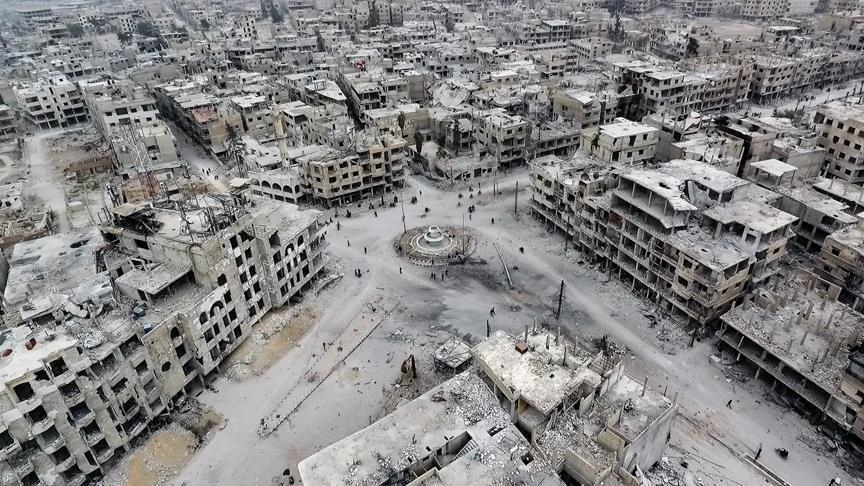
Reconstruction should not be limited to rebuilding structures; it should be an opportunity to redefine urban identity through eco-friendly design. Under the guidance of Engineer Mazen Al Absah and Engineer Nader Maksousa, Emran AlSham turns green architecture from a concept into a practical reality that serves both humanity and the environment.
Conclusion
Investing in green architecture is a long-term investment in human health, economic stability, and Syria’s sustainable future.
Through the vision of Emran AlSham and the expertise of its engineering team, construction becomes a message of healing, responsibility, and commitment to both community and nature.